
Aerothermal Simulation with ELEMENTS
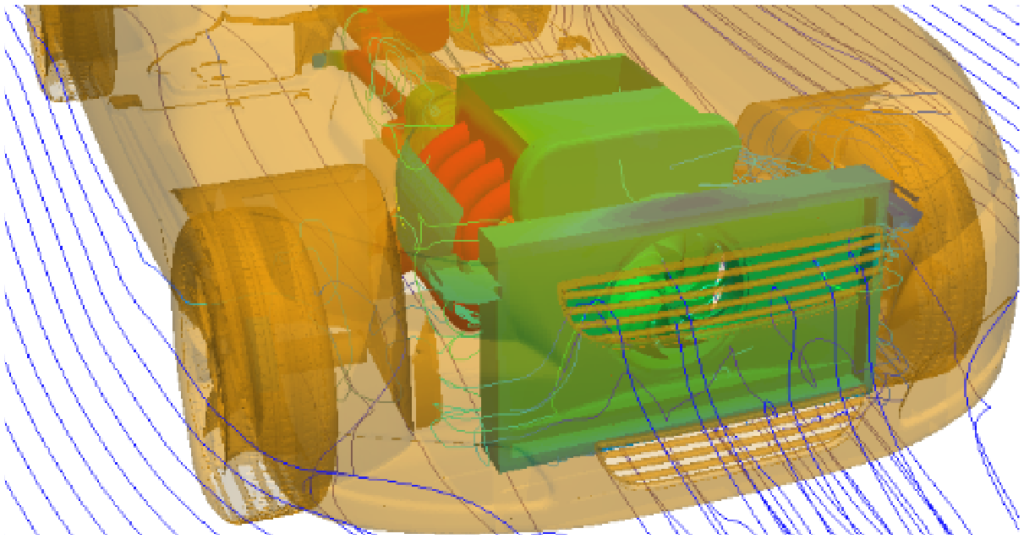
WEBINAR ON-DEMAND In this webinar, we introduce key concepts of an aerothermal simulation and users will be given a walk through of the simulation setup and execution. Vehicles require effective thermal management to prolong the lifetime of the vehicle and also improve it’s performance under operation. To assess this, aerodynamics simulation is often coupled with […]
Vehicle Tire Modelling in ELEMENTS
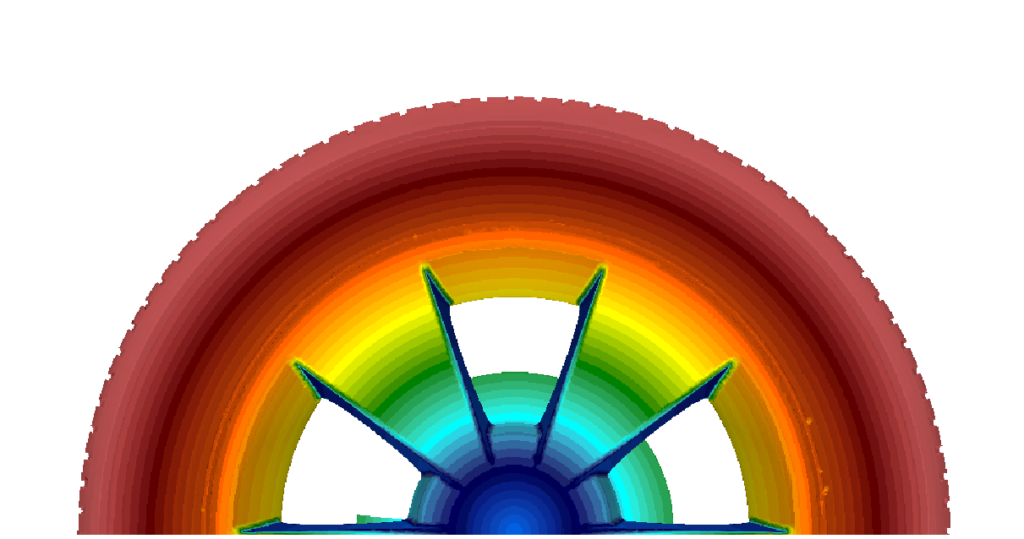
WEBINAR ON DEMAND In this webinar, we will provide a practical introduction to the different tire models available in ELEMENTS and provide a walk through of how to setup simulations with these different models. Tire treads, rims, and the rotational motion of wheels have a tremendous influence on vehicle aerodynamic performance, both on the road […]
Vehicle Aerodynamics Simulation with ELEMENTS
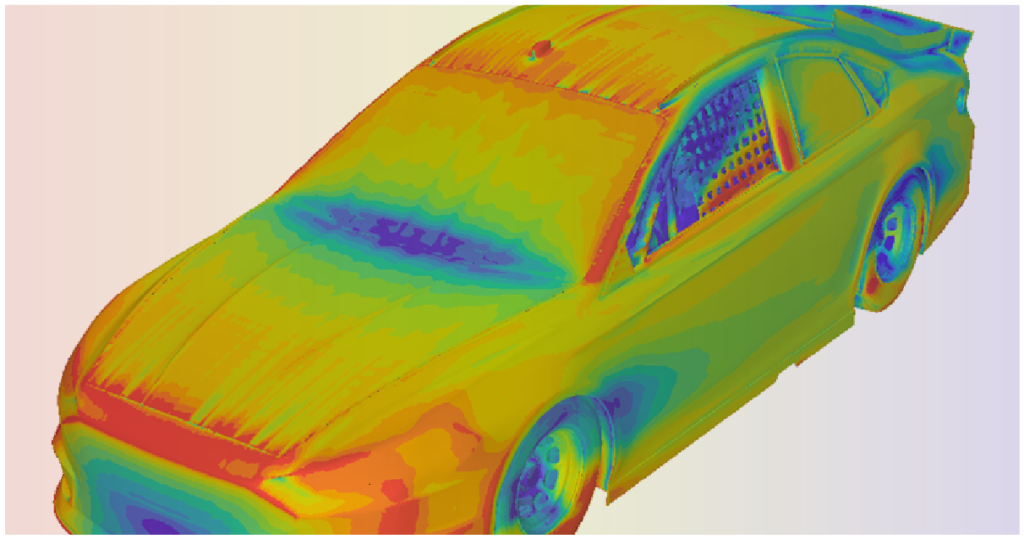
WEBINAR ON DEMAND In this webinar, we provide a practical introduction to ELEMENTS and walk through the process of setting up an external aerodynamics simulation to evaluate a vehicle design. Vehicle aerodynamic simulation can be a labor intensive process. Itrequires users to manage complex geometric surfaces, mesh intricatemodels, set hundreds of boundary conditions, execute many […]
Accurate Wheel Modelling With Generalized Moving Reference Frame (GRF)
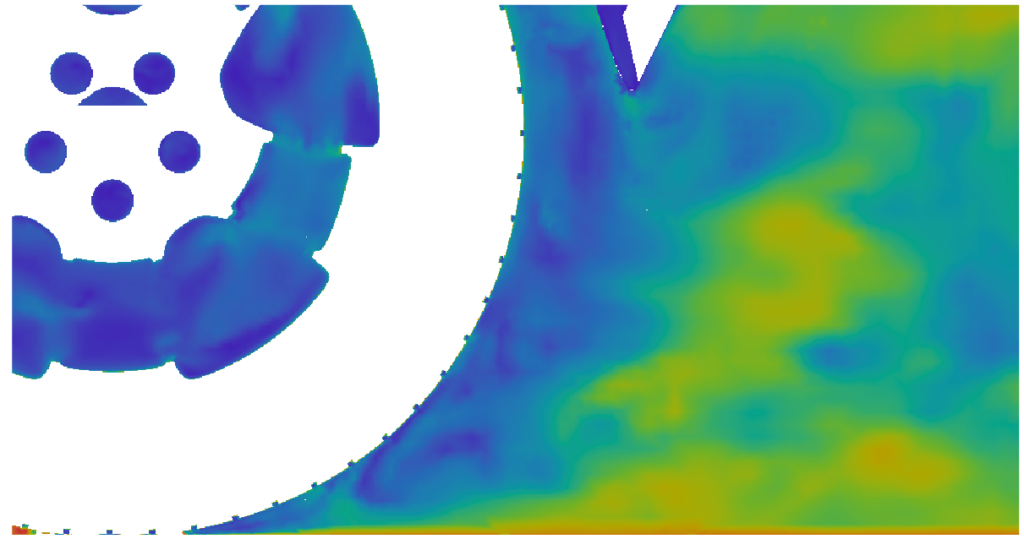
WEBINAR ON DEMAND This webinar will discuss a new Generalized Moving Reference Frame (GRF) technology and how it compares to several of these traditional approaches and experimental data. Wheels have a large influence on vehicle aerodynamic performance. As a result, the ability to accurately predict wheel and tire physics is extremely important when engineers and […]
Machine Learning for Accelerated Aero-Thermal Design in the Age of Electromobility
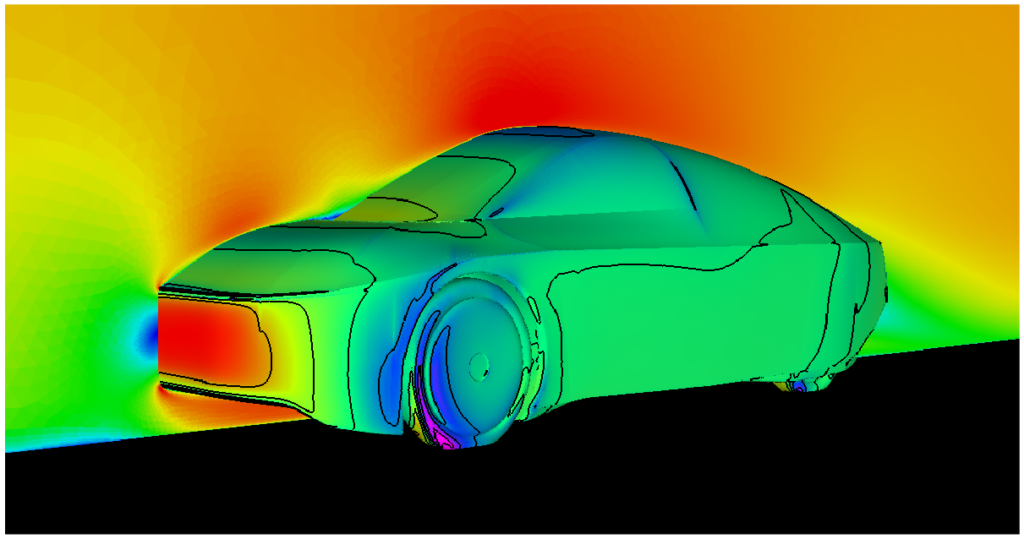
WEBINAR ON DEMAND Eugene de Villiers presents the work by ENGYS developers and engineers within the UPSCALE project and how that relates to future improvements in Aero-Thermal design in the automotive industry. Artificial Intelligence (AI) coupled with traditional Compute Aided Engineering (CAE) tools provide the potential of transforming the engineering design process. This is one […]
Porous Media Modelling with HELYX

WEBINAR ON DEMAND This webinar provides a practical introduction to porous media models in the volume and at boundaries. Complex or small structures can be difficult to mesh and we often need to use a porous media modelling approach to capture the momentum changes (pressure drop). This approach can help us represent screens, filters, radiator […]
Using CFD To Design The Most Aerodynamic Travel Trailer
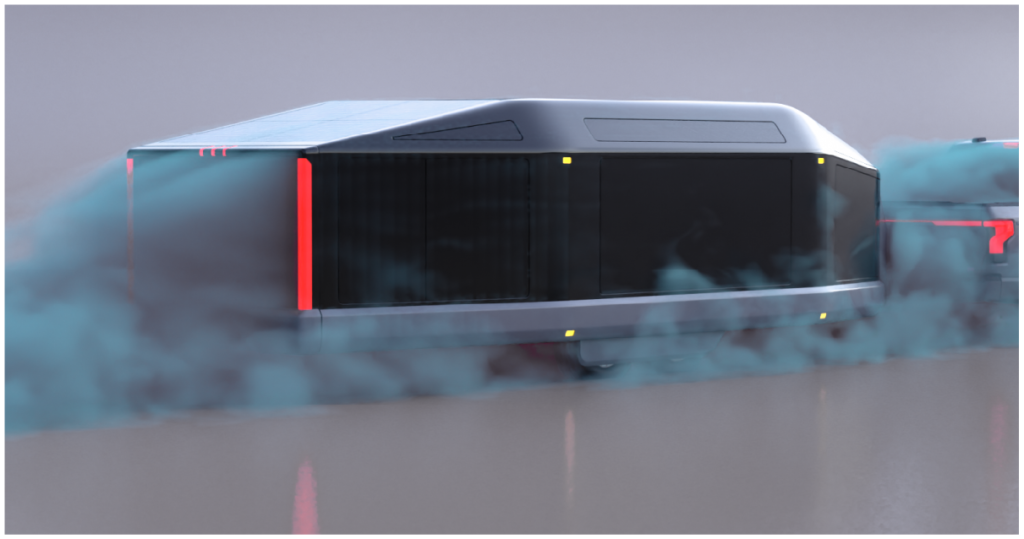
Over the last decade, automotive manufacturers have been continuously innovating new technologies, designs and approaches to maximise the fuel efficiency of combustion vehicles. This has led to an impressive 32% increase in fuel economy of new roadcars [1]. However, no matter how efficient a vehicle is, adding around 3,000Ibs (1,360kg) of trailer weight can increase […]
Simulating Conjugate Heat Transfer in CFD
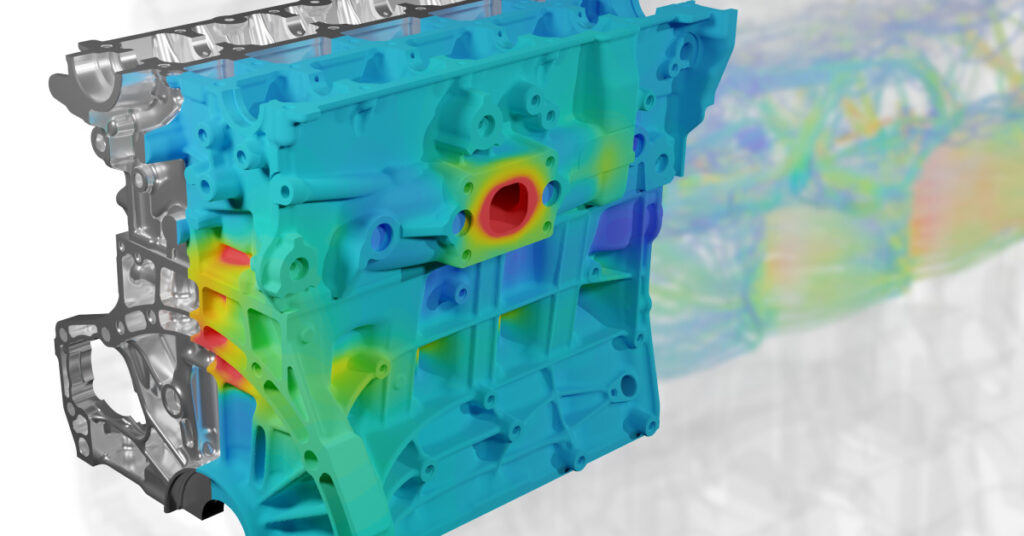
In thermal simulations, most real world cases involve the transfer of heat between different states of matter, such as from solid to liquid. This is known as Conjugate Heat Transfer (CHT). Understanding the complex thermal interactions between these states allows us to enhance the thermal performance of electronics, engines, heat exchangers and much more. However, […]
Harnessing The Power Of AI In CFD Analysis

Artificial Intelligence (AI) has exploded into almost every industry over the last few years and is expected to grow from $86.9 billion in revenue in 2022 to over $407 billion by 2027 [1]. This extraordinary growth may feel like it has sneaked up on us, but the machine learning modelling techniques that lie at the […]
The Continuous Adjoint Method For Optimization Problems
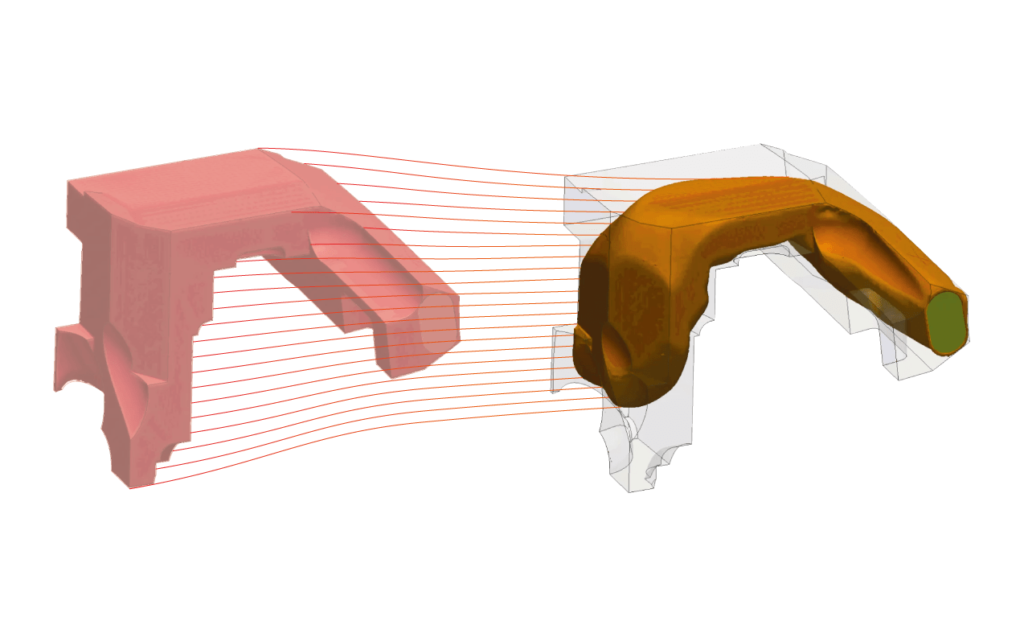
Aerodynamics is a discipline filled with optimization problems. Whether it is drag, lift or downforce, an aerodynamicists’ goal is to maximise the potential performance of an object within a set of constraints. To achieve this, the typical approach is to change an input variable and analyse the effect on the output. However, a more efficient […]