
Engineering Excellence: Legasys’ CFD Success with HELYX
At ENGYS, we are constantly inspired by the innovative ways our clients utilize our software to overcome complex engineering challenges. Recently, we had the opportunity to sit down with Alysson Dantas, a Process Engineer at Legasys, to discuss his experience using our CFD software, HELYX. In this interview, Alysson shares insights into his background, the […]
The Benefits Cloud Simulation Can Bring to CFD

On average, a typical employee uses around 36 cloud-based services every day [1]. This shift to using the cloud has led to a boom in the cloud computing market which is projected to increase by over 130%, growing from $446.4 billion in 2022 to over $1.03 trillion by 2026 [2]. This rapid growth is due […]
The Benefits Of Open-Source CFD Software
Over the last decade, ‘open-source’ has become a bit of a buzzword that is often used in the marketing of software solutions. Yet, open-source is much more than just a benefit to add to a list of why users should buy a simulation package. Instead, open source represents a significant shift in the philosophy behind […]
2023 CFD Technology Trends
The landscape of Computational Fluid Dynamics (CFD) software has changed dramatically over the last few decades. In the past, CFD was expensive, CPU-hungry proprietary software that required comprehensive training to be used effectively. This restricted the use of CFD to large organisations that had the resources to fully fund and integrate this type of software. […]
HELYX and ELEMENTS Learn by Example CFD Series
Last year was a busy year at ENGYS for webinars, with more than 17 different sessions and even more virtual events (See Table 3 at the bottom of this post). Since most simulation engineers were working remotely, we saw a huge uptick in webinar attendance, especially for our introductory talks on ELEMENTS and some more […]
Cloud Computing with HELYX and Penguin Computing On-Demand

Companies using simulation in their design process, often utilize a spectrum of computing resources to meet budgetary and uptime requirements, manage security risks, and remain flexible in order to use only as much compute time as needed. The types of computing paradigms include running on local workstations; local high performance computing (HPC); remote HPC; and […]
Machine Learning for Accelerated Aero-Thermal Design in the Age of Electromobility
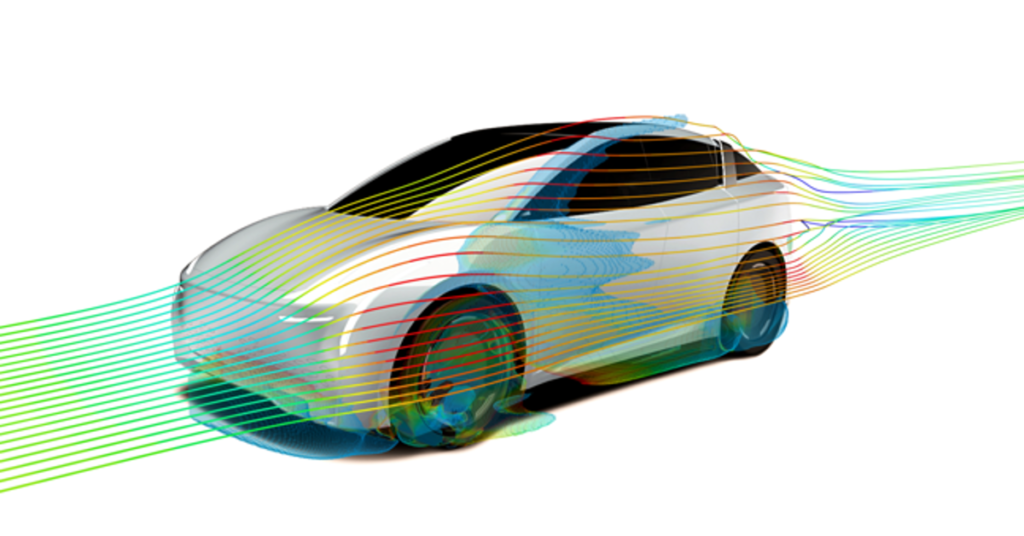
Artificial Intelligence (AI) coupled with traditional Compute Aided Engineering (CAE) tools provide the potential of transforming the engineering design process. This is one of the driving forces behind the UPSCALE Project, specifically applied to the future design of electric vehicles. The EU project is a collaboration of several industrial and academic partners, where ENGYS is […]
Automating CFD Analysis Tasks with PYTHON and HELYX

Increase simulation agility, improve team efficiency, and reduce costs by automating computer aided engineering (CAE) tasks. This is especially true for computational fluid dynamics (CFD) analysis tasks, where routine workflows can be systematically analyzed, built into best practices, and refined. These routine tasks are present across industry and can range from:
Simulating Conjugate Heat Transfer Multiphysics With HELYX
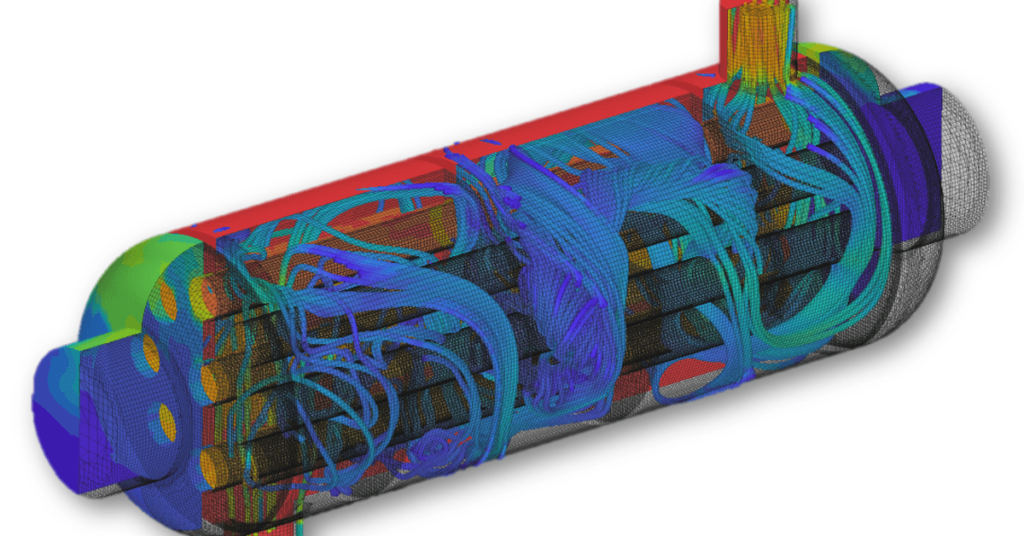
In real world flows, we often see combined modes of transport phenomena in which momentum + heat transport occurs simultaneously within and between fluid and solid regions. Systems that involve thermal energy transport within multiple fluid and/or solid regions, and possess energy exchange at the defined interface of the domains, are often called called conjugate […]
Introduction to Meshing with HELYX
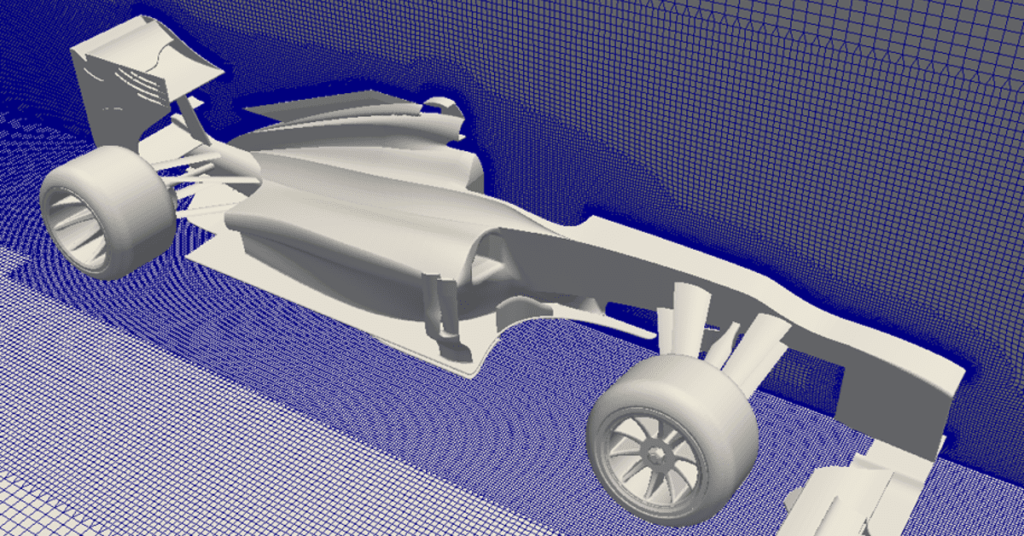
Creating a computational mesh is an extremely important step in the overall process of CFD analysis. A “bad” mesh leads to solver instability; poor resolution of important flow features; poor parallel performance of your solver; and in general, inadequate and inefficient use of CFD as a design tool. A “great” mesh enables your CFD solvers […]